
In the sterile corridors of Birmingham Women’s and Children’s NHS Foundation Trust, a young man named James Stokes moves with quiet purpose. His oxford shoes move with deliberate precision as he exchanges pleasantries with colleagues—some by name, others with the comfortable currency of a «good morning.»
James wears his NHS lanyard not merely as institutional identification but as a testament of belonging. It sits against a well-maintained uniform that betrays nothing of the difficult path that led him to this place.
What separates James from many of his colleagues is not immediately apparent. His presence reveals nothing of the fact that he was among the first beneficiaries of the NHS Universal Family Programme—an undertaking crafted intentionally for young people who have experienced life in local authority care.
«The Programme embraced me when I needed it most,» James reflects, his voice measured but tinged with emotion. His remark encapsulates the heart of a programme that seeks to revolutionize how the vast healthcare system views care leavers—those frequently marginalized young people aged 16-25 who have graduated out of the care system.
The figures tell a troubling story. Care leavers frequently encounter poorer mental health outcomes, economic uncertainty, housing precarity, and diminished educational achievements compared to their contemporaries. Beneath these impersonal figures are human stories of young people who have navigated a system that, despite good efforts, regularly misses the mark in offering the nurturing environment that shapes most young lives.
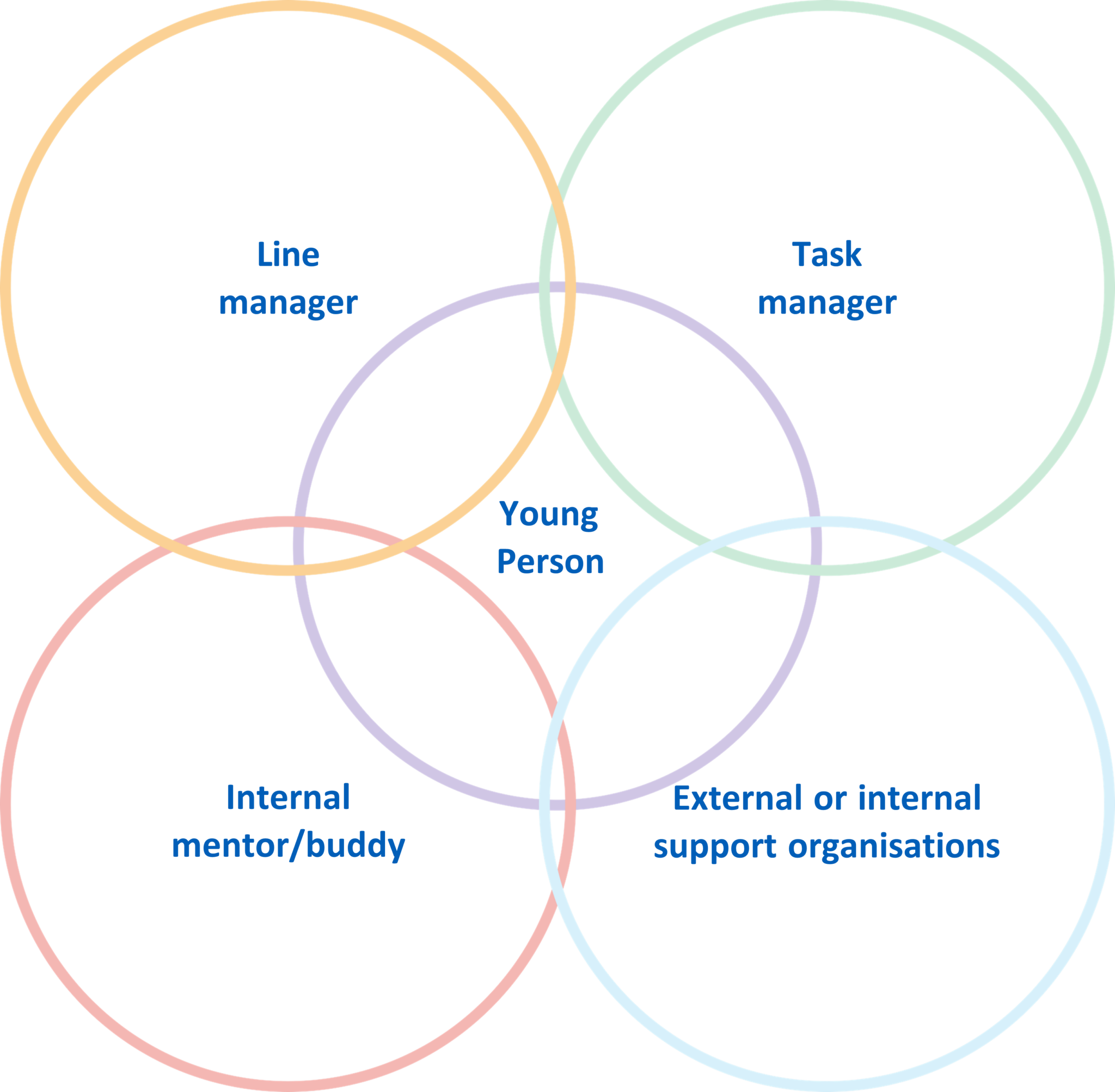
The NHS Universal Family Programme, established in January 2023 following NHS England’s commitment to the Care Leaver Covenant, signifies a significant change in organizational perspective. Fundamentally, it acknowledges that the entire state and civil society should function as a «communal support system» for those who have missed out on the constancy of a traditional family setting.
A select group of healthcare regions across England have blazed the trail, creating structures that rethink how the NHS—one of Europe’s largest employers—can create pathways to care leavers.
The Programme is detailed in its approach, initiating with thorough assessments of existing practices, creating governance structures, and obtaining senior buy-in. It acknowledges that meaningful participation requires more than noble aims—it demands practical measures.
In NHS Birmingham and Solihull ICB, where James began his journey, they’ve established a reliable information exchange with representatives who can provide support, advice, and guidance on personal welfare, HR matters, recruitment, and equality, diversity, and inclusion.
The traditional NHS recruitment process—structured and potentially intimidating—has been thoughtfully adapted. Job advertisements now focus on personal qualities rather than numerous requirements. Application procedures have been redesigned to accommodate the unique challenges care leavers might experience—from not having work-related contacts to having limited internet access.
Possibly most crucially, the Programme understands that beginning employment can pose particular problems for care leavers who may be managing independent living without the support of parental assistance. Matters like commuting fees, proper ID, and bank accounts—assumed basic by many—can become major obstacles.
The beauty of the Programme lies in its thorough planning—from clarifying salary details to helping with commuting costs until that crucial first salary payment. Even ostensibly trivial elements like rest periods and professional behavior are carefully explained.
For James, whose career trajectory has «transformed» his life, the Programme offered more than work. It offered him a perception of inclusion—that ineffable quality that emerges when someone feels valued not despite their past but because their distinct perspective enhances the workplace.
«Working for the NHS isn’t just about doctors and nurses,» James notes, his gaze showing the modest fulfillment of someone who has discovered belonging. «It’s about a family of different jobs and roles, a family of people who really connect.»

The NHS Universal Family Programme embodies more than an job scheme. It exists as a strong assertion that systems can evolve to welcome those who have experienced life differently. In doing so, they not only change personal trajectories but enrich themselves through the distinct viewpoints that care leavers bring to the table.
As James navigates his workplace, his presence silently testifies that with the right assistance, care leavers can thrive in environments once thought inaccessible. The arm that the NHS has offered through this Programme symbolizes not charity but recognition of untapped potential and the essential fact that each individual warrants a support system that supports their growth.